
Harpenden-based EcoNomad Solutions has closed a £400,000 round built from £230,000 of equity from the British Design Fund, an Innovate UK Investor Partnership grant and follow-on support from existing backer Beeches Group. The blended structure limits dilution on a cap table that remains founder-controlled.
EcoNomad builds decentralised anaerobic digestion systems for livestock farms too small to justify industrial-scale kit. Its patented product, the BioNomad, captures methane that would otherwise escape from slurry, converts organic waste into biogas for heating, cooking or electricity, and produces a biofertiliser that reduces a farm's reliance on bought-in chemical inputs.
The company estimates that a smallholding running around 50 cows could cut several thousand pounds a year from its combined energy and fertiliser bill, depending on how the farm operates.
The market gap is one of scale rather than technology. Most commercially available anaerobic digestion systems are engineered for large operators, leaving smaller and mid-sized farms across the UK and Europe facing tightening slurry regulation and methane-reduction pressure without an affordable route to compliance.
The financing splits into three parts. The British Design Fund provided £230,000 in equity and joins the cap table. An Innovate UK Investor Partnership grant makes up a further tranche of non-dilutive capital, matched against the private investment. Beeches Group, already on the register, added follow-on support. The equity stake taken and the post-money valuation were not disclosed.
That mix matters for a hardware business at this stage. By pairing a modest equity cheque with grant funding that carries no shareholding, EcoNomad has extended its runway through a capital-intensive product development phase while giving away materially less of the company than a straight £400,000 equity round would have required.
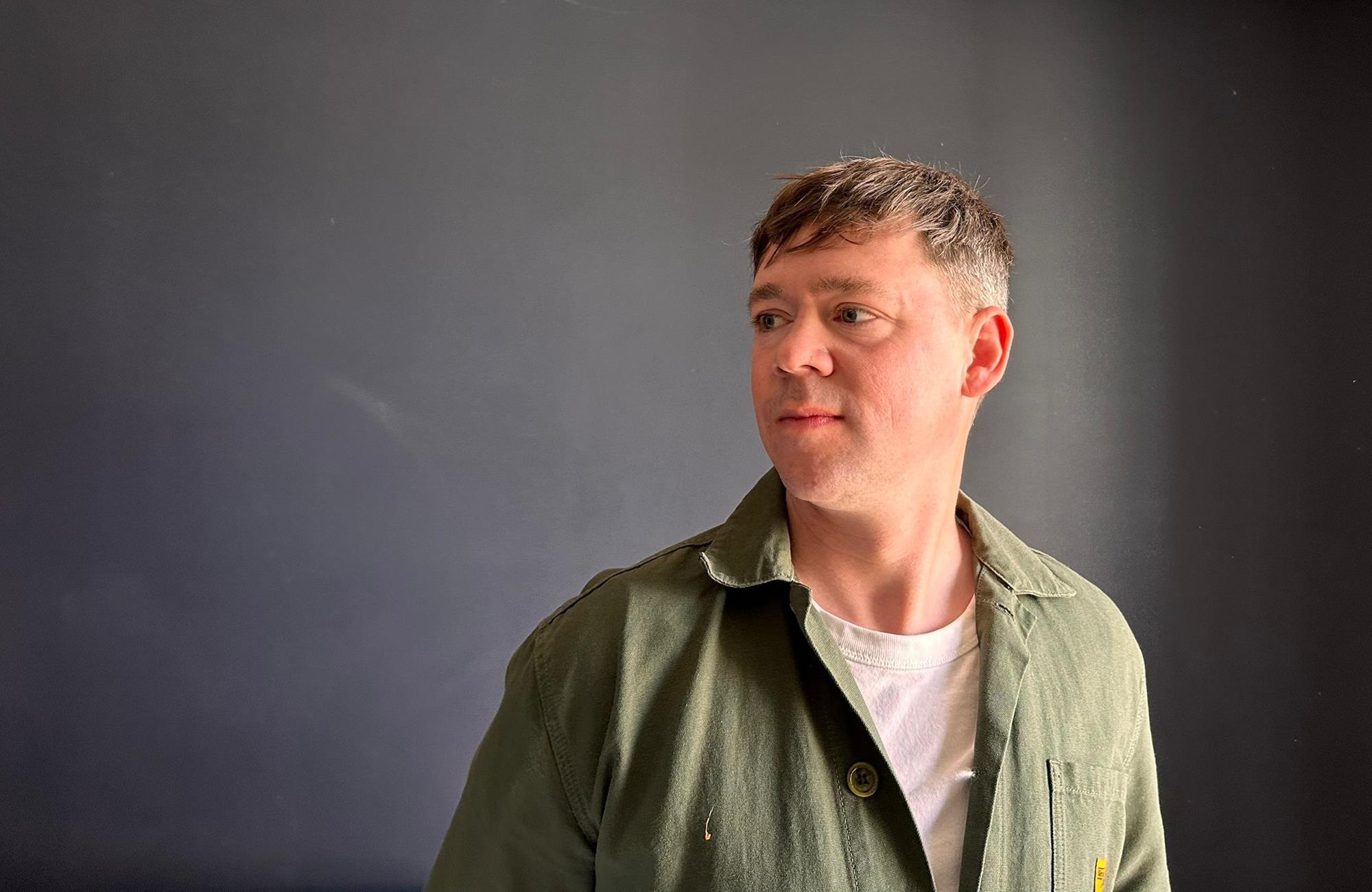
The company was founded by Dr Ilan Adler, an environmental engineer with more than two decades in wastewater treatment, anaerobic digestion and renewable energy. The concept originated in Latin America, where Adler observed simple decentralised waste-to-energy systems supporting rural households, before he adapted the design for colder climates and the UK and European regulatory regime during a PhD at UCL. A Royal Academy of Engineering fellowship supported early development.
"Small farms are under increasing pressure, yet they're often excluded from the renewable energy solutions available to larger operators," said Adler. "The BioNomad is designed to make waste-to-energy accessible, affordable and practical for even the smallest farms."
Damon Bonser, chief executive of the British Design Fund, said the company was "addressing a major environmental and economic challenge with a solution that is both innovative and highly scalable".
The proceeds will fund further product development and commercial deployment across the UK and Europe. The round lands amid steady, if small, cheque sizes in European agritech, where several comparable raises this year have clustered in the £1m-to-£7m range.
Original source: EU-Startups