

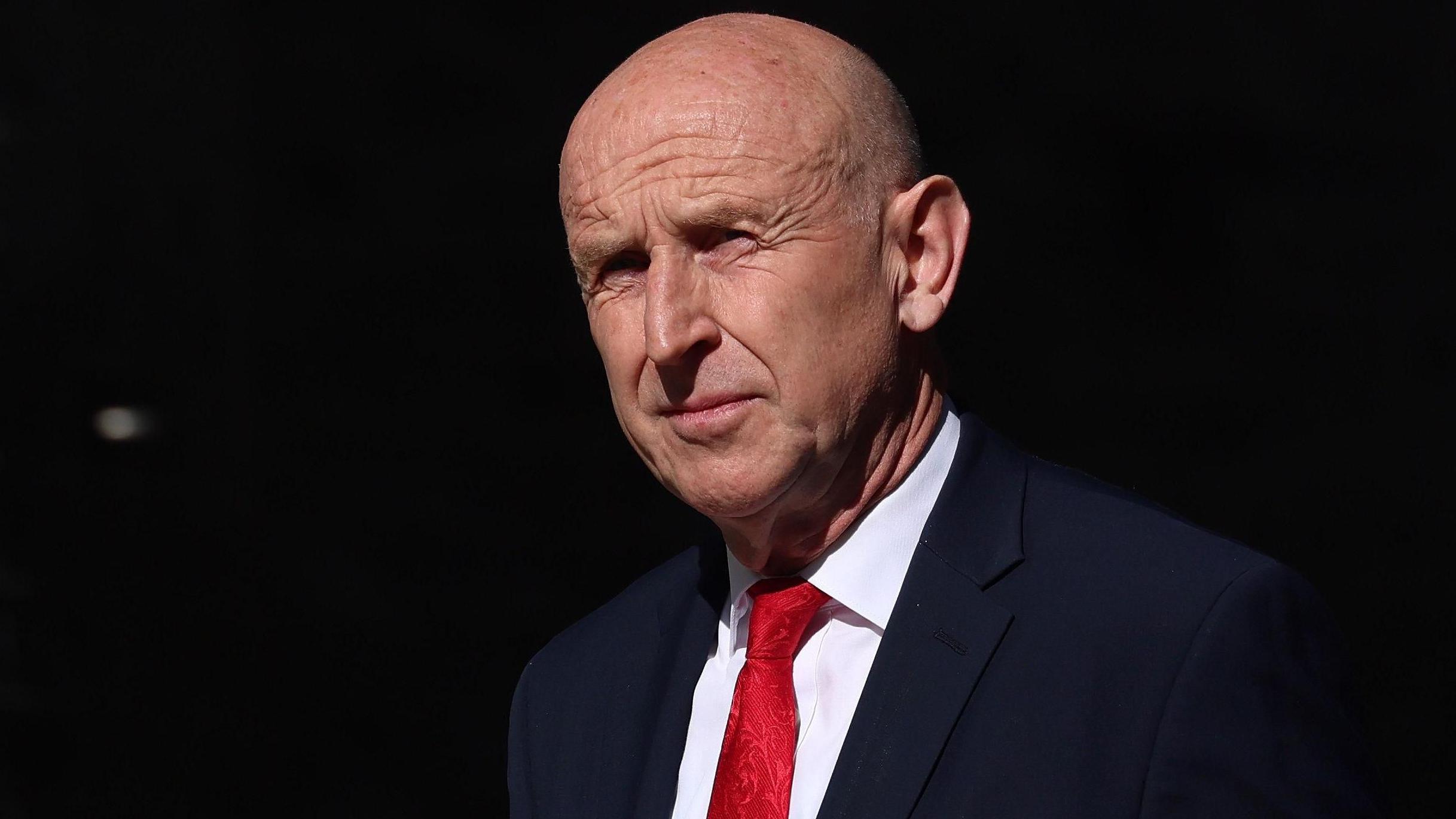
The Capital Markets Industry Taskforce has told Chancellor John Healey that the shortage of London listings is a "strategic growth problem". It proposes a 10% dividend tax credit for pension funds that it says could channel up to £125bn of equity into UK companies by 2042, at a cost of up to £742m a year.
The taskforce, known as Cmit, is chaired by London Stock Exchange chief executive Dame Julia Hoggett. Its pre-Budget submission to the Treasury, reported by the Sunday Times, says Britain is at serious risk of permanently exporting its best companies just as they reach global scale.
The submission frames the IPO drought as a problem for the whole economy, not only for the exchange. It says the loss of founder-led companies to overseas markets is "not business as usual".
The proposals
Cmit accepts that Healey is unlikely to abolish stamp duty on share purchases, which raises about £3bn a year. Instead, it suggests exempting pension funds and ISAs from the levy.
Its main measure is a 10% tax credit on dividends received by pension funds. Cmit estimates this could mobilise up to £125bn of equity by 2042, at a yearly cost to the Treasury of no more than £742m.
It also asks the Treasury to consider inheritance tax relief on pensions invested in UK assets over a 15-year period. The group says it does not want pension funds forced to buy UK shares.
Mark Austin, a capital markets lawyer on the taskforce, said the measures were designed to keep costs capped and choices voluntary, and to leave trustees' fiduciary duties unchanged.
Why it matters for cap tables
For venture-backed companies, the exit route shapes everything earlier in their life. That includes valuations at each round and where late-stage investors are willing to put money.
A thin domestic listings market pushes British scale-ups towards trade sales or overseas floats. Many of them reincorporate in the US along the way.
Cmit used the £24bn sale of Cambridge-based Arm to SoftBank as an example of a shrinking London pipeline. It also pointed to the wave of takeovers of listed companies. Bids for London-listed groups this year total at least £70bn, with Beazley, Schroders and Segro among the targets that have agreed deals.
The submission arrived in a week when hopes of a £7bn Boots float ended with the chain's sale to the Weston family. Earlier, Airtel Money's £5.3bn listing became the City's largest IPO in five years.
What's next
Healey's Budget will show whether the Treasury is prepared to fund pension-led demand for UK equities at a time when public finances are tight.
M&G chief executive Andrea Rossi used a Sunday Times column at the weekend to call the decline of London's stock market a problem for Britain. For founders and their backers, the result will help decide whether a London IPO becomes a realistic exit again.
Original source: City AM (reporting the Sunday Times) — https://www.cityam.com/britain-becoming-incubator-nation-of-firms-that-flee-london/