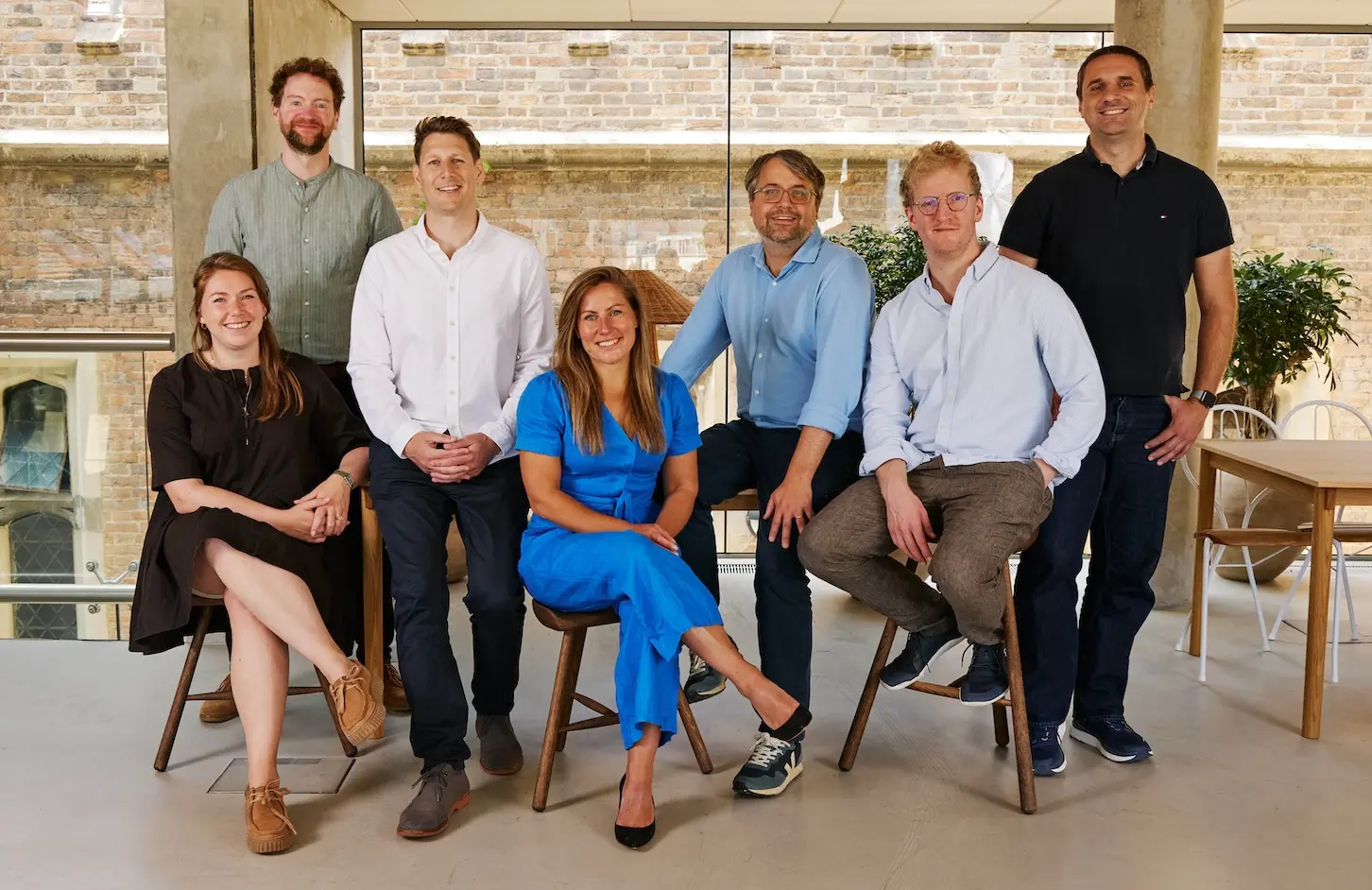

London-based Basecamp Research has closed a $140m Series C led by S32, taking its total funding to $225m. Anthropic's Anthology Fund, the NATO Innovation Fund and the UK government's Sovereign AI Fund are among the new names on the register, while Nvidia's NVentures has followed on.
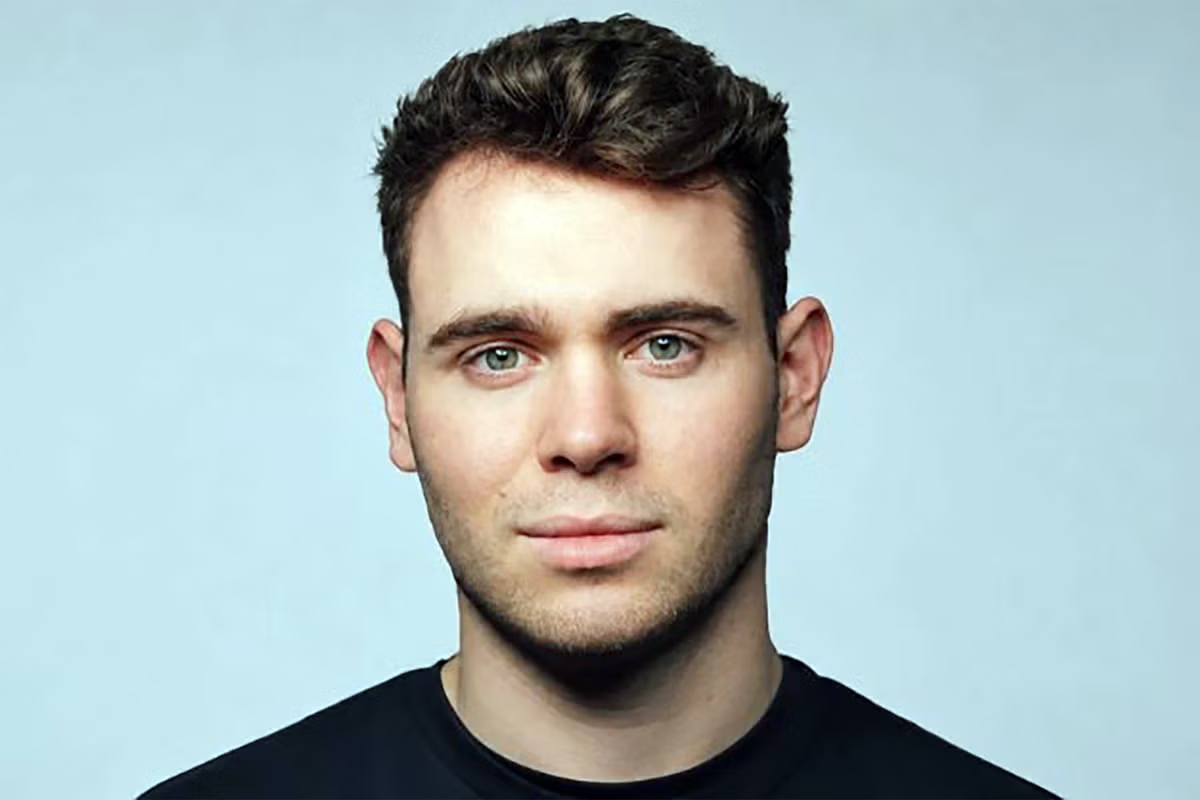
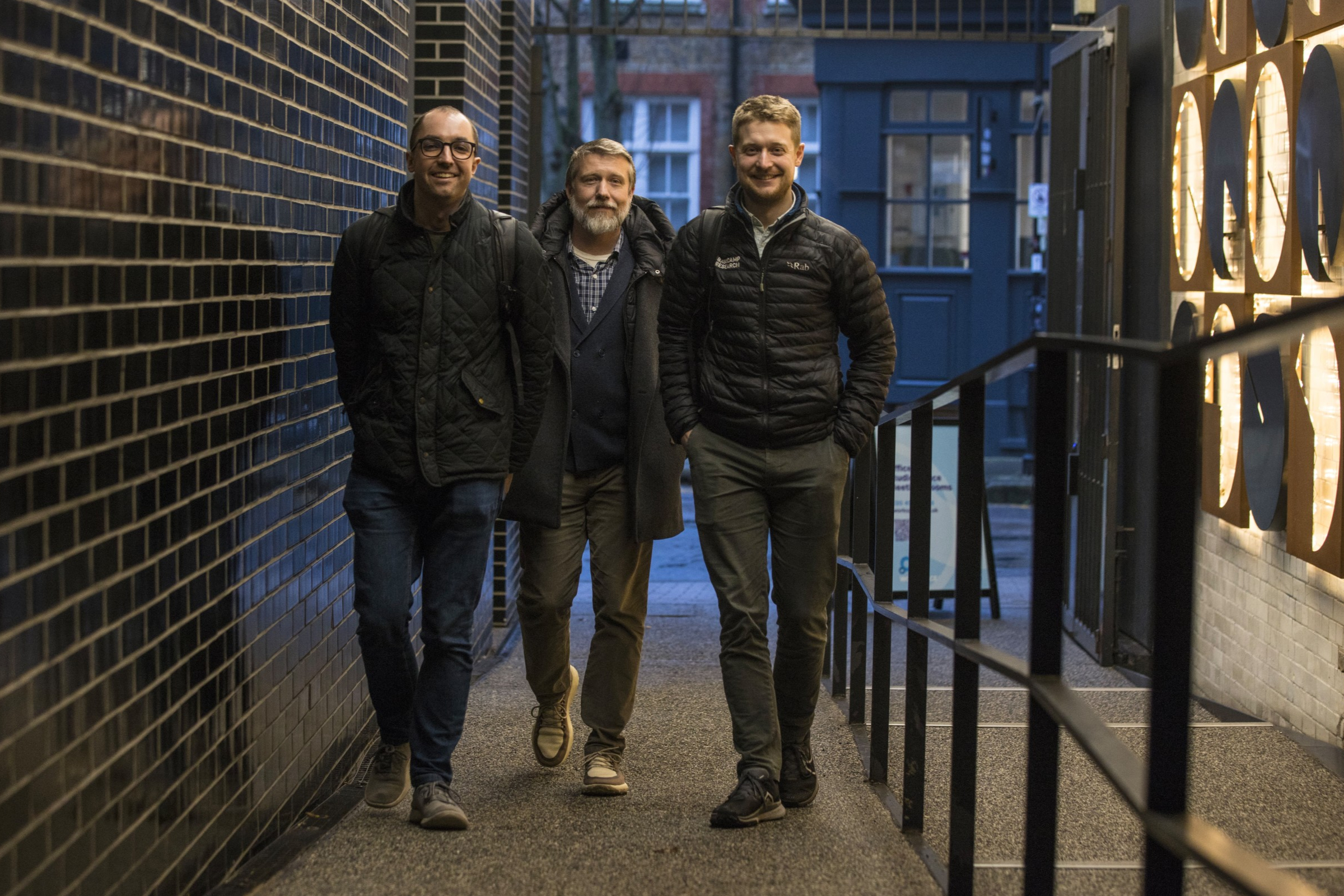
Basecamp Research was founded in 2019 by Dr Glen Gowers and Dr Oliver Vince, who met as undergraduates at Oxford. The company trains biological foundation models, branded Eden, on what it describes as the world's largest proprietary genomic dataset, gathered through partnerships in more than 30 countries.
The business traces its origins to a 2019 expedition to Iceland's Vatnajökull ice cap, where the founders ran what they say was the first off-grid DNA sequencing operation. It now uses its models to design therapeutics, starting with in vivo cell therapy, which reprogrammes a patient's cells inside the body.
The deal
The $140m round was led by S32, the California firm set up by Bill Maris, who previously founded GV, Alphabet's venture arm. NVentures, Nvidia's corporate venture unit, returned as an existing investor.
New investors are the Anthology Fund, a partnership between Anthropic and Menlo Ventures, alongside Catalio, the NATO Innovation Fund, Rockefeller, European Tech Collective and the Sovereign AI Fund. Existing backers Firebrand, River Capital, King Philanthropies and Redalpine also took part.
Valuation terms were not disclosed. The round is large for a Series C and accounts for roughly 62% of the $225m Basecamp has raised since launch, implying about $85m was raised across its earlier rounds.
Cap-table angle
The shareholder list now spans three distinct pools of capital: frontier AI companies (Anthropic and Nvidia), defence-linked and sovereign money (the NATO Innovation Fund and the Sovereign AI Fund) and specialist life sciences investors. The Sovereign AI Fund's participation adds to a growing list of UK state-backed cheques into domestic AI companies this year.
Joséphine Kant, head of ventures at Sovereign AI, said the founders "could build this company anywhere in the world" but had chosen to do so in the UK.
Use of funds
Basecamp said the capital will go towards training a new generation of its AI models and advancing its pipeline of AI-designed therapeutics towards clinical development. The company pointed to preclinical results across several disease areas, including cancer and autoimmune conditions.
Its pitch is aimed at two constraints in current cell therapy: the limited complexity of what can be delivered, and manufacturing costs that run to hundreds of thousands of dollars per patient. Basecamp pairs its models' ability to design long, complex DNA sequences with specialised enzymes that deliver them precisely.
What's next
Gowers said the company believes medicine will move towards "reprogramming the body to repair itself". The next milestone for investors will be the first AI-designed programme entering clinical trials, which would test whether Basecamp's data advantage converts into a clinical-stage asset.
Original source: Tech.eu — https://tech.eu/2026/09/23/anthropic-and-nvidia-back-basecamp-research-in-140m-series-c/ (also reported by Sifted — https://sifted.eu/articles/anthropic-nvidia-basecamp-research/)